Regulatory Agencies

Creating Effective Communication Channels for Safety Concerns

Empower your team with clear and efficient communication channels to address safety concerns effectively. Enhance workplace safety with strategic communication strategies. #SafetyFirst #CommunicationChannels
Effective communication is crucial in healthcare organizations to address safety concerns promptly and ensure patient and staff safety. By establishing clear reporting mechanisms, promoting transparency, and utilizing technology, organizations...

NFPA 101 and International Standards
Unlocking the Key to Safety: Exploring NFPA 101 and International Standards for Building Compliance is crucial for protecting lives and property. Understanding the differences between NFPA 101 and international standards is essential for achieving compliance and improving fire safety measures. Life Safety Express offers specialized consulting services to help organizations align...
Please explain the conditions for 32-gallon and 96-gallon capacity in relation to hazardous and clean waste.
Understanding the guidelines for 32-gallon and 96-gallon capacity waste bins for hazardous and clean waste disposal is crucial for compliance with regulations. Proper waste management practices are essential to maintain a safe environment. Consult with experts to determine the right container size for efficient and safe waste disposal. Contact Life Safety...

Addressing High-Risk Processes and Areas in Healthcare
Addressing high-risk processes and areas in healthcare is crucial for ensuring patient safety and quality care. By implementing strategies such as standardized protocols, ongoing staff training, technology utilization, and fostering a culture of safety, healthcare organizations can enhance outcomes and save lives. Healthcare leaders play a pivotal role in driving these...
Case Laws Involving NFPA 101
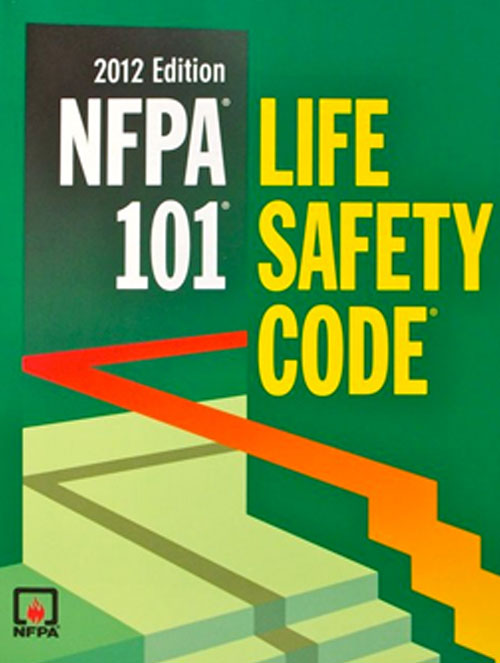
Legal cases involving NFPA 101 in healthcare have set important precedents that all healthcare facilities must be aware of. These cases often revolve around issues such as proper fire protection measures, emergency preparedness, and building construction standards. Understanding these legal cases and precedents is crucial for healthcare providers to avoid potential...
Are soiled utility rooms required to be locked?
Soiled utility rooms in healthcare facilities are not required to be locked, but restricting access to authorized personnel is crucial for safety and compliance. Implementing security measures like access control systems can enhance safety and accountability. Contact Life Safety Express for tailored solutions to secure your facility effectively. #HealthcareCompliance #SafetyFirst #SecureFacilities...

Developing and Utilizing Patient Safety Metrics
Measuring and enhancing healthcare quality through patient safety metrics is crucial for improving patient outcomes. By developing and utilizing these metrics, healthcare organizations can identify areas for improvement, track progress, and drive continuous quality improvement efforts. Common metrics include adverse event rates, medication errors, hospital-acquired infections, and readmission rates. Implementing evidence-based...

NFPA 101 and Emergency Preparedness
NFPA 101, also known as the Life Safety Code, is a crucial framework for emergency preparedness in healthcare facilities. It establishes guidelines for building safety, including egress routes, fire protection systems, and emergency communication. By aligning with NFPA 101 standards, healthcare facilities can enhance their readiness for emergencies and ensure the...