

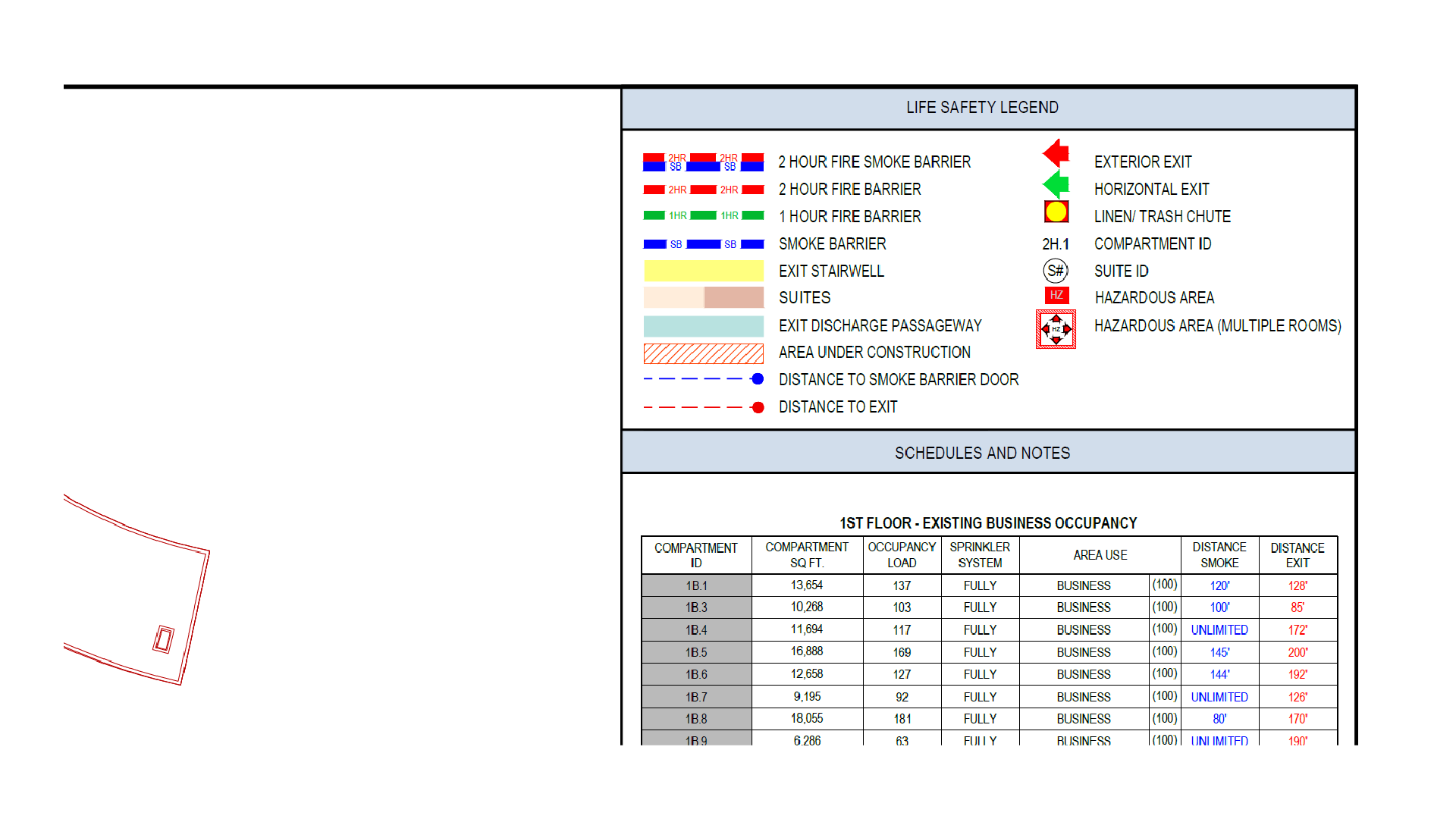
ILSM – Interim Life Safety Measures in Construction Projects


“Ensuring safety first: Implementing ILSM in construction projects to protect workers and prevent hazards”
Ensuring Life Safety Compliance in Healthcare Construction Projects
When undertaking construction or renovation projects in healthcare settings, maintaining life safety compliance is paramount. Interim Life Safety Measures (ILSM) play a crucial role in safeguarding patients, staff, and visitors from potential hazards during the construction process. Understanding the importance of ILSM and implementing them effectively is essential to ensure a safe environment for all.
ILSM are temporary measures put in place to mitigate risks associated with construction activities that could impact life safety systems or compromise the overall safety of a healthcare facility. These measures are designed to maintain essential life safety functions, such as fire protection, emergency egress, and infection control, throughout the construction process.
By adhering to strict guidelines and regulations set forth by organizations like the National Fire Protection Association (NFPA) and the Joint Commission, healthcare facilities can minimize disruptions and ensure the continuity of critical services during construction. Proper planning, communication, and execution of ILSM are key components of a successful construction project in a healthcare setting.
Are you prepared to navigate the complexities of life safety compliance in your healthcare construction project?
- Identify potential hazards and risks associated with construction activities
- Develop a comprehensive ILSM plan tailored to your facility’s specific needs
- Coordinate with all stakeholders, including contractors, architects, and regulatory agencies
- Regularly monitor and evaluate the effectiveness of ILSM throughout the project
Life Safety Express understands the challenges and complexities involved in maintaining life safety compliance during construction projects in healthcare settings. Our team of experts is ready to assist you every step of the way, ensuring that your project meets all regulatory requirements and prioritizes the safety of everyone involved. Contact us today to learn more about how we can help you achieve a successful and safe construction project in your healthcare facility.

Understanding the Basics of Interim Life Safety Measures (ILSM)
Interim Life Safety Measures (ILSM) are essential protocols designed to ensure the safety and well-being of patients, staff, and visitors when a healthcare facility undergoes construction, renovation, or faces any condition that may compromise its built-in safety features. These measures are a critical component of maintaining compliance with The Joint Commission (TJC) standards, which are integral to the accreditation process for healthcare organizations.
At the core of ILSM is the recognition that the usual fire safety barriers, means of egress, and other life safety features may be temporarily compromised during such periods of change. Therefore, alternative strategies must be put in place to mitigate risks. This could involve a range of actions, from increased fire watch patrols to the modification of evacuation plans to accommodate construction zones.
It is important to note that the need for ILSM is not merely a reactive measure but a proactive one. Prior to the commencement of any project that could affect life safety, a thorough risk assessment must be conducted. This assessment will determine the specific ILSMs that need to be implemented based on the scope and nature of the project, as well as the particular vulnerabilities of the facility.
Key components of ILSM include ensuring that fire protection systems are operational, establishing alternative life safety measures when systems are impaired, and providing training and communication to all affected parties. These measures are not static; they require ongoing evaluation and adjustment to respond to the evolving conditions on-site.
For those responsible for life safety compliance and TJC Accreditation, understanding ILSM is not just about adhering to regulations; it’s about fostering an environment where safety is paramount, even amidst the inevitable changes that come with facility improvements. By embracing ILSM, healthcare facilities demonstrate their commitment to maintaining a secure environment for everyone who walks through their doors.
Implementing ILSM in Construction Environments
When construction or renovation activities commence within a healthcare facility, the implementation of Interim Life Safety Measures (ILSM) becomes a pivotal aspect of maintaining a safe environment. The process begins with a detailed plan that outlines the specific measures to be taken to compensate for the temporary disruptions to the facility’s built-in safety features. This plan must be meticulously tailored to the unique circumstances of each construction project, taking into account factors such as the project’s scale, duration, and location within the facility.
One of the first steps in implementing ILSM in construction environments is to establish clear communication channels among all stakeholders. This includes construction workers, healthcare staff, patients, and visitors. Information regarding changes to access routes, noise levels, and potential hazards should be disseminated effectively to minimize confusion and ensure everyone is aware of the safety protocols in place.
Fire safety is a critical concern during construction. Measures such as increased fire watch patrols may be necessary when fire alarm systems or sprinklers are temporarily disabled or obstructed. These patrols involve trained individuals who continuously monitor the area for signs of fire, ready to initiate an emergency response if needed. Additionally, temporary construction barriers must be fire-rated and properly installed to prevent the spread of smoke and fire.
Another vital component is the modification of evacuation plans. Construction activities often necessitate changes to escape routes and exits. It is essential to evaluate these modifications to ensure that, in the event of an emergency, all occupants can evacuate quickly and safely. Signage should be updated and clearly visible, directing individuals along the revised paths to safety.
Training is also paramount. Staff must be educated on the new ILSM protocols, including how to operate any temporary fire safety equipment and how to guide patients and visitors during an evacuation. Regular drills should be conducted to reinforce this training and to identify any potential issues with the interim measures.
Monitoring the effectiveness of ILSM is an ongoing responsibility. Safety coordinators should conduct regular walk-throughs to inspect the integrity of temporary barriers, ensure signage is visible, and confirm that fire protection systems are fully functional or that alternative measures are in place. Any deficiencies found during these inspections must be addressed promptly to maintain a high standard of safety.
Lastly, documentation plays a crucial role throughout the construction process. All ILSM activities should be recorded, providing a clear audit trail that demonstrates compliance with TJC regulations. This documentation is not only important for accreditation purposes but also serves as a valuable tool for reviewing the effectiveness of ILSM strategies and making informed adjustments as the project progresses.
Implementing ILSM in construction environments requires a proactive approach that encompasses planning, communication, training, monitoring, and documentation. By adhering to these principles, healthcare facilities can ensure that life safety remains a top priority throughout periods of change, thereby protecting all individuals within their walls.
Monitoring and Adjusting ILSM Throughout the Project Lifecycle
Effective monitoring and adjustment of Interim Life Safety Measures (ILSM) are crucial for maintaining a safe environment throughout the lifecycle of a construction project within a healthcare facility. This dynamic process involves regular assessments to ensure that the measures in place continue to provide the necessary level of protection as conditions change. It is not enough to set up ILSM protocols at the beginning of a project; they must be revisited and refined as the work progresses.
One of the key aspects of this ongoing process is the continuous risk assessment. As construction phases advance, new risks may emerge, and previously identified risks may evolve or no longer exist. It is essential to conduct periodic risk assessments in response to these changes. These assessments should be thorough, involving a multidisciplinary team that can provide diverse perspectives on potential safety issues.
Another important factor is the feedback loop from staff and construction teams. Those who are on the ground every day are often the first to notice changes that could impact safety. Encouraging open communication and providing a mechanism for reporting concerns or suggestions can lead to timely adjustments to ILSM protocols. For example, if a temporary exit becomes obstructed, it must be addressed immediately to ensure compliance with egress requirements.
Regular training updates are also necessary. As ILSM protocols are adjusted, it is imperative that all staff members are kept informed and trained on any new procedures. This ensures that everyone knows how to respond in an emergency and understands their role in maintaining safety standards.
Documentation is another critical element in the monitoring process. All changes to ILSM protocols, along with the reasons for these changes, should be meticulously documented. This not only provides a record for TJC accreditation but also helps in evaluating the effectiveness of the measures over time. Documentation should include details of any incidents or near-misses, as these can offer valuable insights into areas that may require further attention.
Finally, it is important to maintain a proactive stance towards life safety compliance. Regularly scheduled meetings with all stakeholders involved in the project can facilitate proactive discussions about ILSM and ensure that everyone remains focused on safety objectives. These meetings can serve as a platform for reviewing current measures, discussing potential improvements, and planning for upcoming stages of construction.
Monitoring and adjusting ILSM throughout the project lifecycle is an iterative process that requires vigilance, flexibility, and collaboration. By staying attuned to the changing environment and being ready to make necessary modifications, healthcare facilities can uphold the highest standards of safety for patients, staff, and visitors, even amidst the complexities of ongoing construction projects.
“Unveiling the FAQs of ILSM: Your essential guide to Interim Life Safety Measures in construction projects”
ILSM – Interim Life Safety Measures in Construction Projects FAQ
When it comes to maintaining life safety compliance during construction or renovation projects in healthcare settings, understanding ILSM – Interim Life Safety Measures is crucial. Here are some frequently asked questions to help you navigate this important aspect of construction safety:
-
What are Interim Life Safety Measures (ILSM) in the context of construction projects in healthcare settings?
Interim Life Safety Measures are temporary measures put in place to ensure the safety of occupants and workers during construction or renovation projects. They help maintain critical life safety functions while work is being done.
-
Why are ILSM important in healthcare construction projects?
Healthcare settings have unique challenges due to the need for continuous patient care and critical life safety systems. ILSM help mitigate risks and ensure that essential services are not compromised during construction.
-
What are some common examples of Interim Life Safety Measures in healthcare construction?
Examples include temporary fire barriers, smoke barriers, fire detection systems, emergency evacuation plans, and temporary containment structures to prevent the spread of contaminants during construction.
-
How can I ensure compliance with ILSM requirements during a healthcare construction project?
Work closely with your construction team, fire protection professionals, and healthcare facility management to develop a comprehensive ILSM plan. Regular inspections and monitoring are essential to ensure that measures are properly implemented.
-
What are the consequences of not implementing proper ILSM in healthcare construction projects?
Failing to implement adequate Interim Life Safety Measures can lead to serious safety risks, regulatory violations, project delays, and potential harm to patients, staff, and visitors. It is essential to prioritize safety at all times.