

Forms and templates
Healthcare Life Safety Forms Library
Find CMS fire-safety survey reports, deficiency and corrective-action forms, and official emergency-preparedness tools organized by workflow.
Broad-to-narrow topic architecture
Healthcare Life Safety Topic Guides
Follow connected learning paths from a broad facility need to cornerstone guidance, detailed technical conditions, and exact operational questions.
Healthcare Life Safety Assessments
Plan, conduct, document, and act on independent healthcare life safety assessments across buildings, systems, records, and field conditions.
Survey Readiness
Build continuous healthcare survey readiness through controlled records, mock tracers, K-tag review, staff preparation, and verified corrective action.
Life Safety Drawings
Create, verify, update, and govern healthcare life safety drawings that connect occupancies, compartments, suites, barriers, and egress to field conditions.
Fire Door Inspections
Manage healthcare fire door inventories, annual inspections, clearances, labels, hardware, repairs, modifications, and survey-ready evidence.
Above-Ceiling Compliance
Control healthcare above-ceiling access, penetrations, firestopping, concealed barriers, dampers, infection risks, and contractor work.
Fire and Smoke Barriers
Identify, inspect, document, and maintain healthcare fire barriers, smoke barriers, smoke partitions, penetrations, dampers, and opening protectives.
Environment of Care
Connect healthcare physical-environment observations to risk, utilities, hazardous materials, emergency readiness, corrective action, and leadership oversight.
ILSM and Construction
Coordinate healthcare construction risk, Interim Life Safety Measures, temporary barriers and egress, impairments, concealed work, and project turnover.
NFPA 101 and Means of Egress
Research healthcare NFPA 101 applicability, occupancies, suites, corridors, egress, locking, hazardous areas, and horizontal exits through the correct authority chain.
NFPA 99 and Building Systems
Connect NFPA 99 and CMS requirements to healthcare risk categories, emergency power, electrical systems, medical gas, utilities, and supporting evidence.
Fire Protection Systems
Organize healthcare fire alarm, sprinkler, fire pump, damper, impairment, fire watch, inspection, testing, and corrective-action evidence.
Post-Survey Corrective Action
Respond to healthcare life safety findings with accurate authority mapping, extent-of-condition review, corrective action, evidence, verification, and sustained monitoring.
Content hub
Life Safety Code and NFPA
Adopted codes, healthcare occupancy, compartmentation, egress, locking arrangements, and operational compliance.
Article
AI for Hospital Maintenance: A Controlled Adoption Framework
Use AI in hospital maintenance without confusing software output with compliance evidence. A framework for data, oversight, and survey records.
Read articleArticle
AII Room Testing in Hospitals: Protocol and Records
A cautious hospital guide to scoping AII room testing, verifying governing criteria, documenting results, and managing failed conditions.
Read articleArticle
Appealing a State Fire Marshal Citation: A Hospital Response Framework
A hospital-focused framework for evaluating a state fire marshal citation, preserving deadlines, developing technical evidence, and planning corrective action.
Read articleArticle
ASHRAE 170 Healthcare Ventilation: A Hospital Verification Path
A cautious hospital workflow for identifying adopted ventilation criteria, validating ACH evidence, and documenting room-specific findings.
Read articleArticle
Budgeting for Life Safety Compliance in Hospitals
A practical framework for hospital teams to forecast, prioritize, document, and support life safety compliance spending.
Read articleArticle
Converting Office to Healthcare: Hospital Adaptive Reuse Compliance Guide
Plan an office-to-hospital conversion by resolving occupancy, adopted codes, egress, fire protection, utilities, drawings, and survey evidence.
Read articleContent hub
Survey Readiness
CMS survey workflow, Joint Commission readiness, K-tags, findings, documentation, and corrective-action evidence.
Article
Hospital Life Safety Corrective Action Guide
A cautious workflow for hospital life safety corrective action, from cited finding and risk controls through verification and closure evidence.
Read articleArticle
How to Build a Healthcare Construction Life Safety Coordination Plan
Coordinate ILSM, egress, impairments, temporary barriers, above-ceiling work, clinical operations, and turnover during healthcare construction.
Read articleArticle
How to Build a Healthcare Life Safety Document-Control System
Build a controlled index for healthcare life safety drawings, inspection records, impairments, findings, and evidence of completion.
Read articleArticle
How to Build a Healthcare Life Safety Post-Survey Evidence Package
Build a traceable post-survey evidence package connecting the cited condition, correction, extent review, systemic action, verification, and sustained compliance.
Read articleArticle
How to Build a Healthcare Life Safety Survey-Readiness Workplan
Build a time-phased healthcare life safety readiness plan that connects documents, field tracers, findings, owners, and verified closure.
Read articleArticle
How to Perform a Healthcare Life Safety Extent-of-Condition Review
Determine whether a cited healthcare life safety deficiency is isolated or systemic, then document the search, corrective action, and verification.
Read articleContent hub
Above-Ceiling and Barrier Management
Penetration sealing, fire and smoke barriers, dampers, contractor controls, and concealed-space assessments.
BlogPosting
Healthcare Above-Ceiling Inspections: Compliance Checklist for Hospitals
A hospital-focused checklist for inspecting concealed barriers, firestopping, sprinklers, electrical conditions, utilities, and above-ceiling work controls.
Read articleBlogPosting
Healthcare Fire and Smoke Barriers: Inspection Checklist and Compliance Guide
A healthcare checklist for inspecting fire and smoke barriers, opening protectives, penetrations, firestopping, documentation, and corrective action.
Read articleBlogPosting
Healthcare ILSM: Interim Life Safety Measures Guide and Checklist
A healthcare guide to evaluating, documenting, monitoring, and closing Interim Life Safety Measures during deficiencies and construction activity.
Read articleArticle
How to Prepare for a Healthcare Above-Ceiling Assessment
Prepare drawings, access, infection-control coordination, sampling, and repair evidence for an efficient healthcare above-ceiling assessment.
Read articleArticle
Above-Ceiling Barrier Management in Healthcare Facilities
Build a practical above-ceiling review process for penetrations, firestopping, dampers, concealed work, and repair evidence in occupied healthcare facilities.
Read article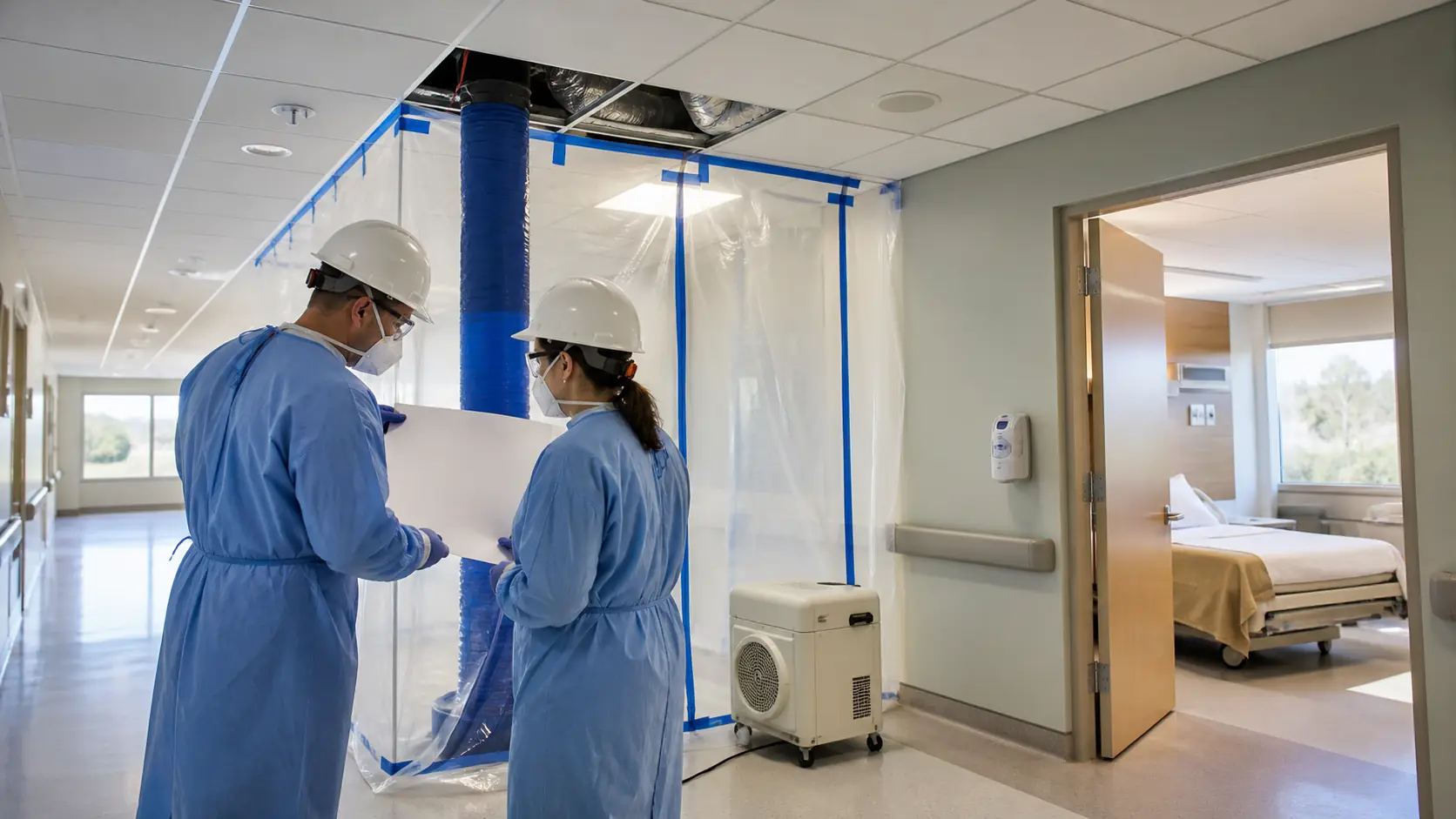
Article
Above-Ceiling Inspections in Patient Care Areas: ICRA and Life Safety Coordination
Coordinate infection-control risk, patient-care operations, and life safety protection before opening ceilings or inspecting concealed spaces in occupied healthcare areas.
Read articleContent hub
Fire Door Compliance
Fire door inspections, labels, clearances, hardware, repairs, field modifications, and documentation.
BlogPosting
Healthcare Fire Door Inspections: NFPA 80 Annual Requirements and Survey Checklist
A healthcare-focused checklist covering annual fire-door inspection requirements, assembly identification, testing, documentation, and corrective action.
Read articleArticle
How to Prepare for an Annual Healthcare Fire Door Inspection
Prepare the door inventory, access, records, testing coordination, and repair workflow before a healthcare fire door inspection.
Read article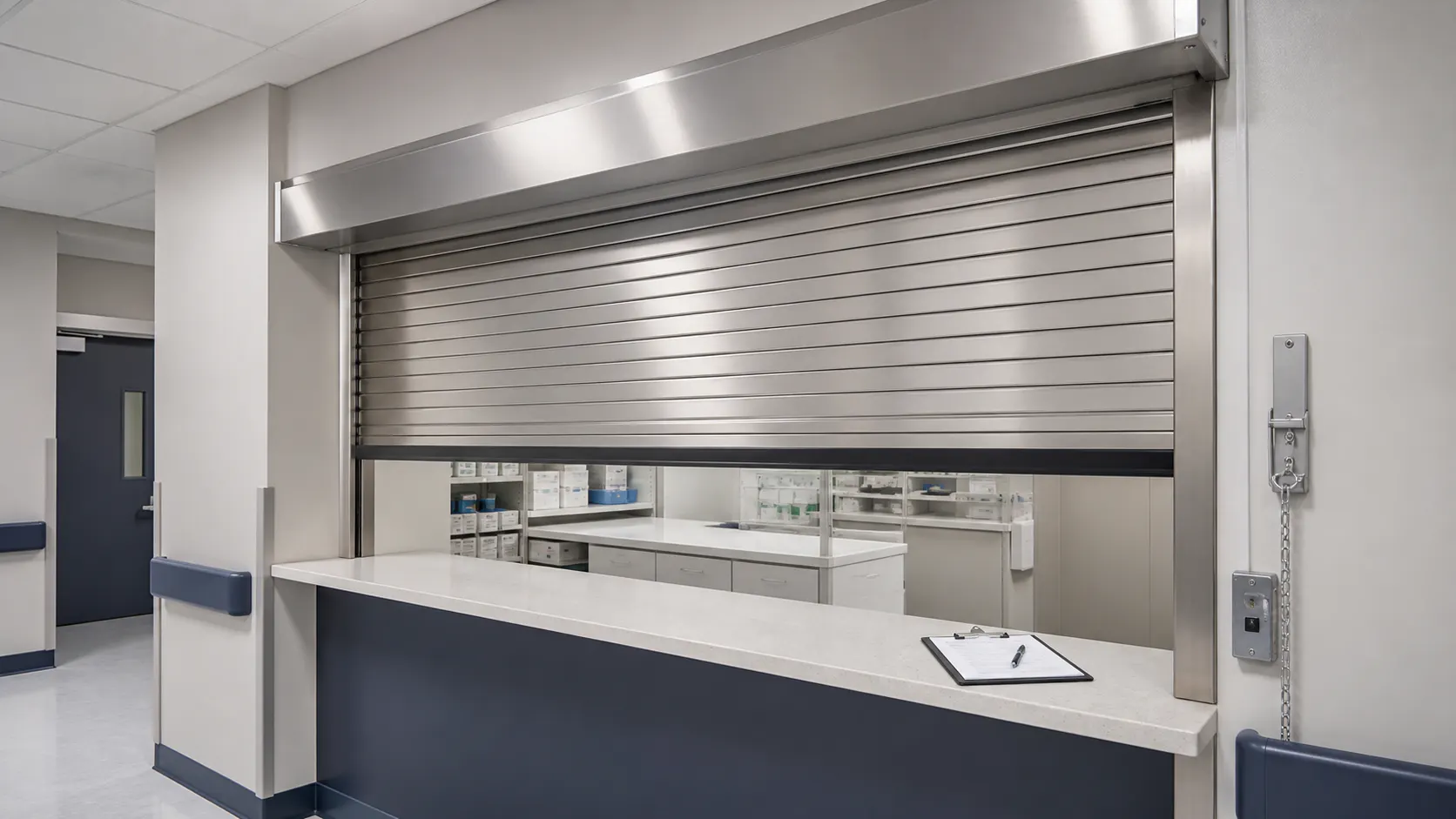
Article
Annual Inspections for Rolling Steel & Vertical Fire Shutters in Healthcare Occupancies
Inspect and drop-test rolling steel fire doors and vertical fire shutters as listed opening protectives, then document reset and return to service.
Read article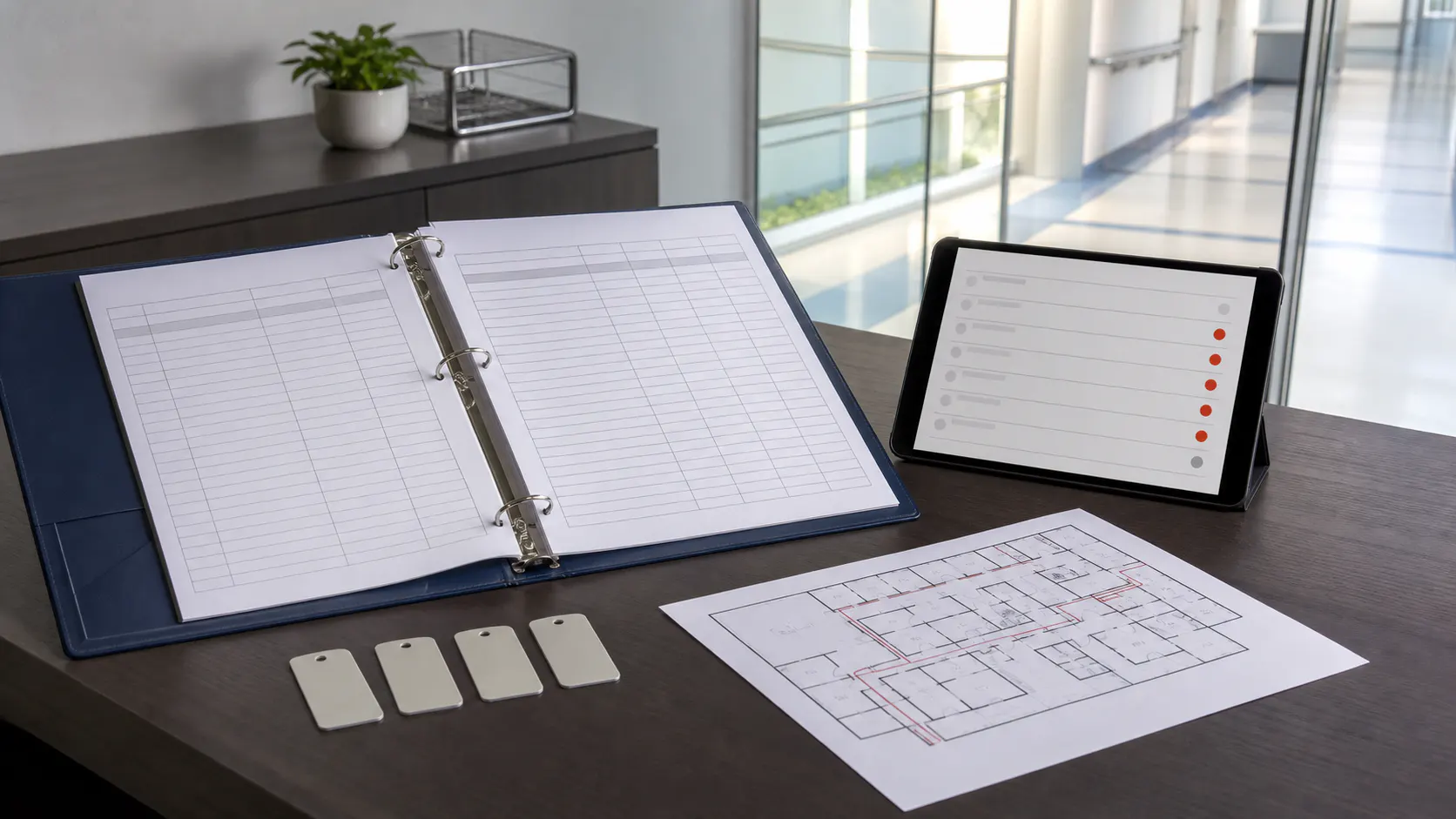
Article
Documenting Fire Door Inspections: What CMS Surveyors Look for in Inspection Logs
Create fire-door inspection logs that prove the population, annual activity, observed results, corrective follow-through, and verified closure.
Read article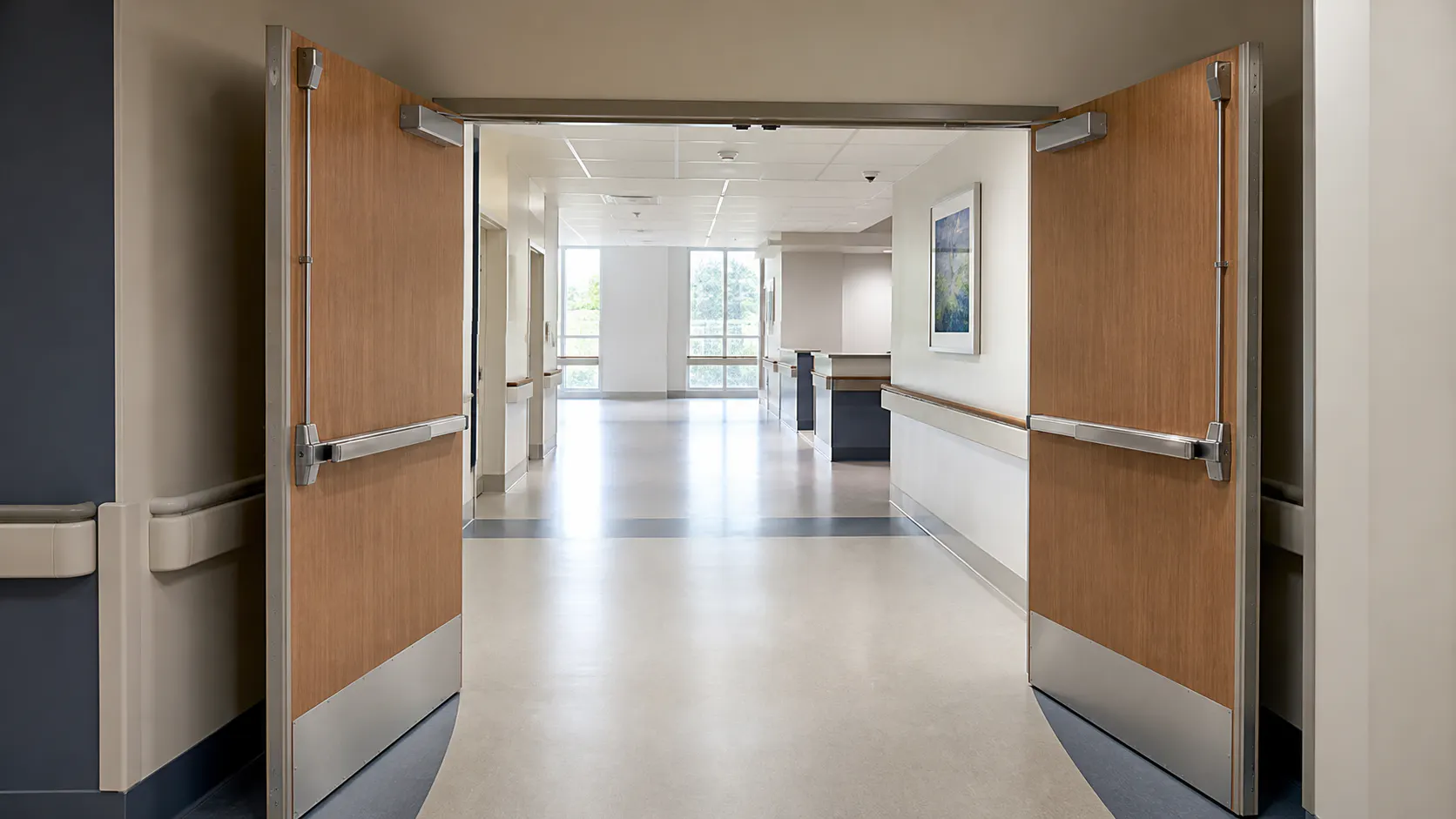
Article
Double-Egress Door Assemblies in Hospital Corridors: Hardware & Latching Rules
Classify double-egress hospital corridor doors correctly and verify their listed hardware, opposing swing, closing, sequencing, and latching requirements.
Read article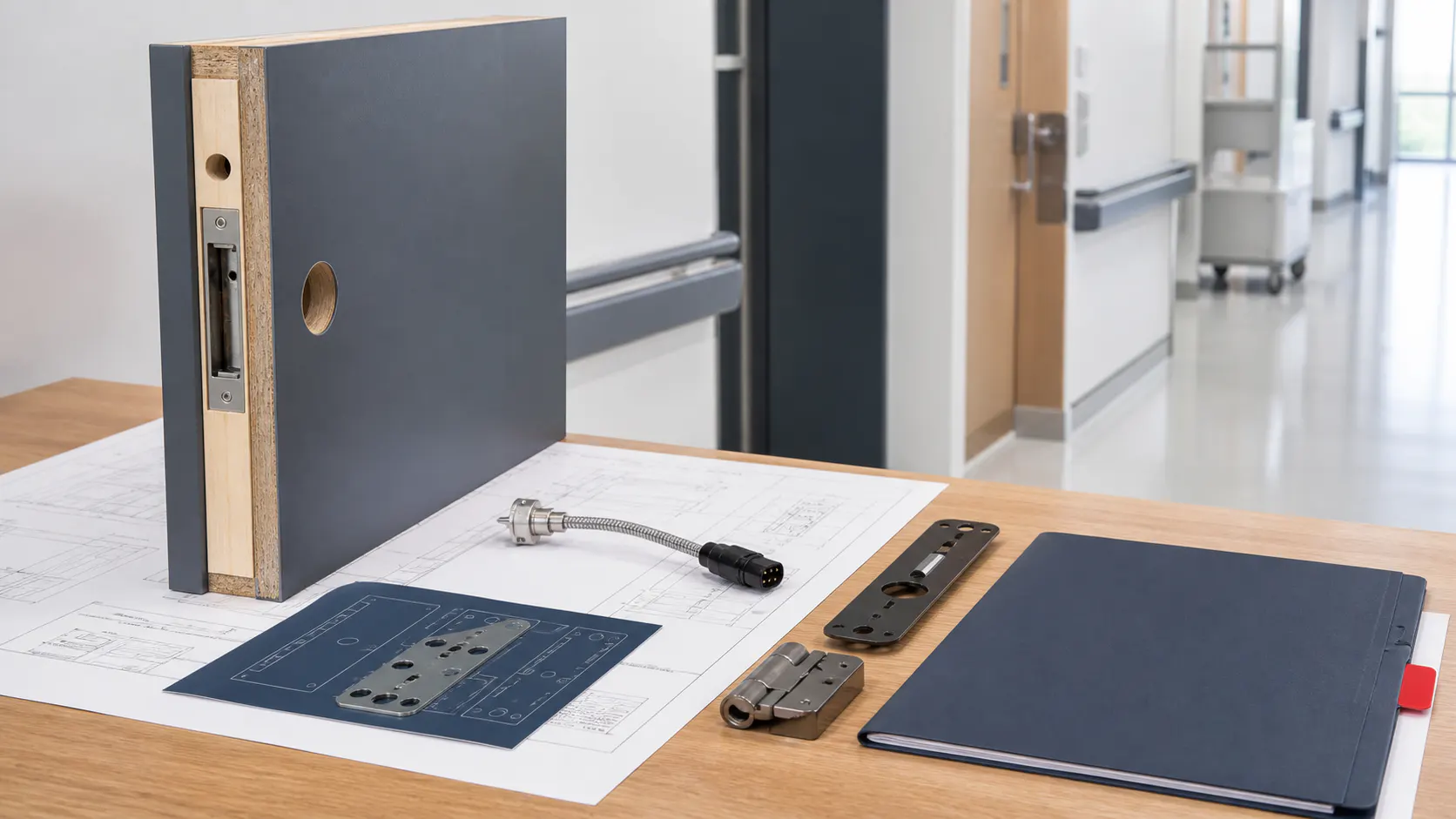
Article
Field Modifying Fire Rated Doors: What NFPA 80 Permits Without Voiding the Label
Control fire-door field modifications through listing evidence, manufacturer or labeling-agency review, qualified work, and post-modification inspection.
Read articleContent hub
Life Safety Drawings
Life safety plans, record accuracy, symbols, renovation updates, distribution, and drawing governance.
Article
A Change-Control Workflow for Healthcare Life Safety Drawing Updates
Create a controlled workflow that moves renovations, field discoveries, and operational changes into verified healthcare life safety drawing revisions.
Read articleArticle
CMS Survey Checklist for Hospital Life Safety Drawings
Use a source-linked CMS survey checklist to validate hospital life safety drawings, reconcile K-tag evidence, and prepare the controlled plan set for survey.
Read articleArticle
Healthcare Life Safety Drawings: A Hospital Guide
A practical guide to hospital life safety drawings, governing authorities, core content, update controls, survey use, and service scope.
Read articleBlogPosting
Healthcare Life Safety Drawings: Required Content and Survey-Ready Checklist
A healthcare checklist for maintaining accurate life safety drawings that reflect rated barriers, compartments, suites, hazards, and current field conditions.
Read articleArticle
Hospital Life Safety Drawing CAD Management & Renovation Updates
Manage hospital life safety CAD files through renovation redlines, field verification, controlled revisions, and construction closeout.
Read articleArticle
Life Safety Drawing Services for Hospitals
Learn how hospital life safety drawing services establish code basis, verify conditions, control updates, and support survey preparation.
Read articleContent hub
Environment of Care
Physical environment risks, utilities, emergency management, fire safety, leadership, and hazardous materials.
Article
From Environment of Care Assessment to Verified Corrective Action
Convert healthcare Environment of Care observations into owned, prioritized, verified, and leadership-visible corrective action.
Read articleBlogPosting
Healthcare Environment of Care Survey Readiness: Hospital Checklist
A hospital checklist for sustaining Environment of Care survey readiness through routine oversight, reliable records, risk escalation, and corrective action.
Read articleArticle
How to Scope a Healthcare Life Safety Assessment
Define a healthcare life safety assessment by facility risk, governing requirements, records, field sampling, and usable corrective-action deliverables.
Read article
Article
Documenting Quarterly Fire Drill Requirements in Healthcare: Shifts, Roles, and Logs
Plan and document healthcare fire drills by quarter and shift while evaluating staff response, fire procedures, and corrective action.
Read article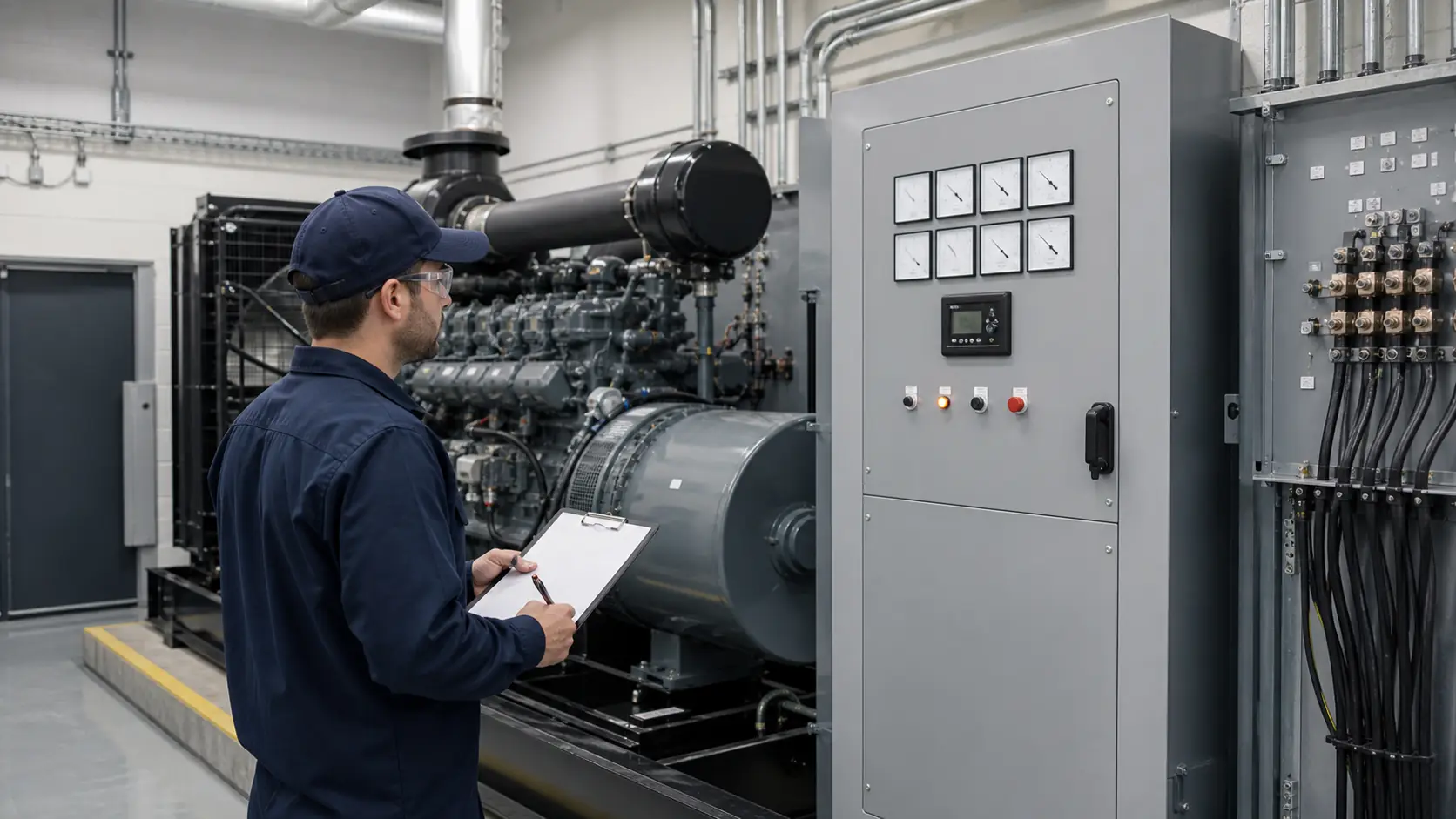
Article
Emergency Power System Testing Logs: Coordinating Generator Audits with LS Surveys
Reconcile generator and essential-electrical-system testing logs with assets, deficiencies, operating conditions, and Life Safety survey evidence.
Read article
Article
Environment of Care Committee Reporting: Presenting Life Safety Metrics to Leadership
Turn Life Safety inspection, impairment, and corrective-action data into concise Environment of Care committee decisions with traceable evidence.
Read article